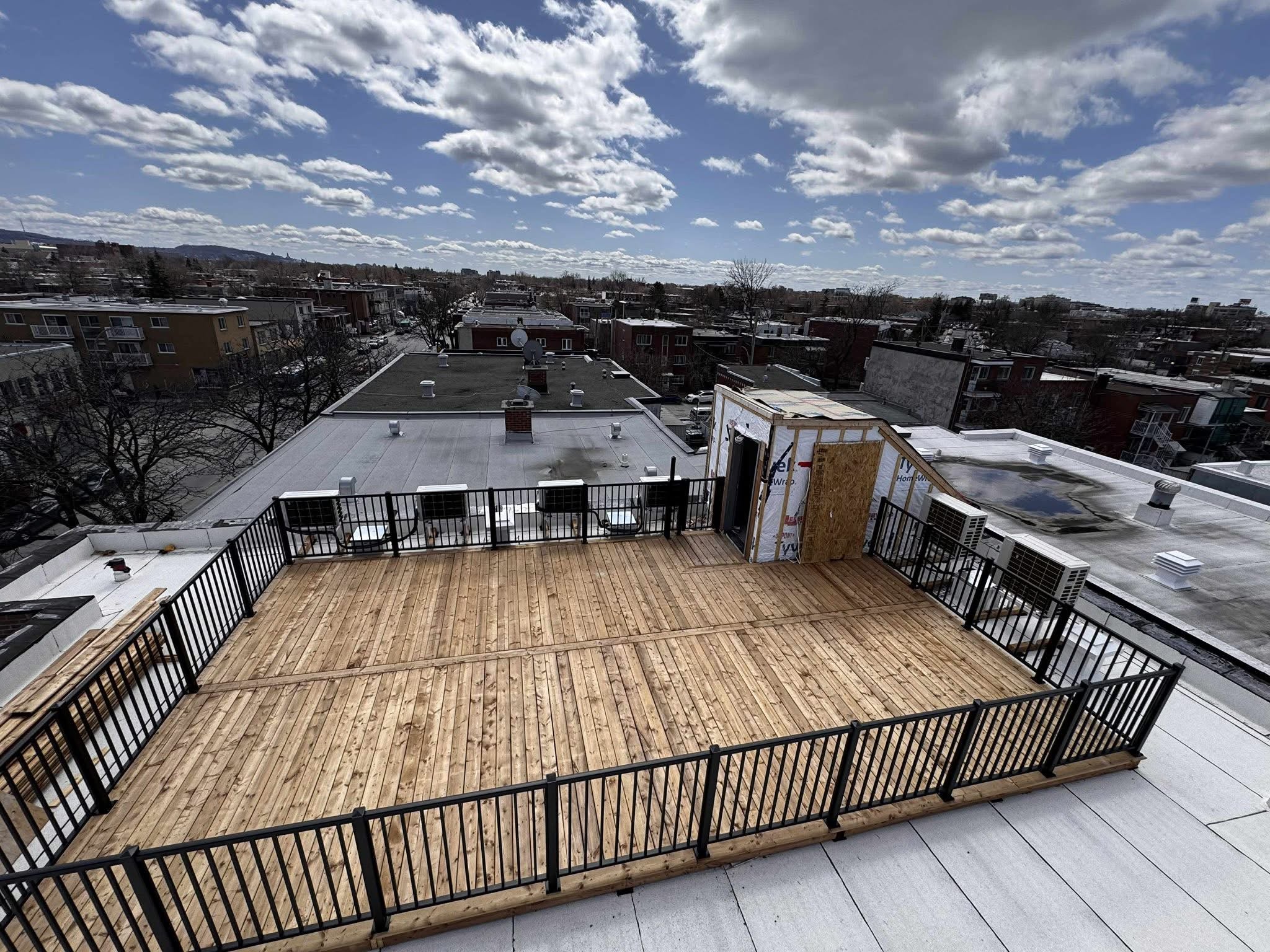
Two quotes for aluminum railings can show surprising price differences. Same design, same color… yet the bill sometimes doubles. The secret lies in the unseen details: the alloy, the thickness of the profile, the finish, and the installation method. These are all elements that separate a durable railing from one that needs replacing after a few winters.
Aluminum alloy: an invisible quality issue
Not all railings are made of the same aluminum. Some manufacturers use more rigid and resistant alloys like 6063-T6, known for its durability in outdoor environments. Others opt for lighter, less expensive materials, but also less stable in the long term.
At ALDG, aluminum railings are made from a high-quality architectural alloy, designed to withstand frost, snow, and temperature fluctuations. This technical aspect, often invisible to the naked eye, directly influences the strength and longevity of the railing.
Profile thickness and assembly precision
The weight of the metal and the density of the profile determine structural resistance. A thicker profile costs more to produce, but it ensures better rigidity, especially for guardrails installed at height.
ALDG products are extruded with robust profiles calibrated according to local safety standards. Each section is precisely machined, which reduces the risk of play or twisting over time. Conversely, some manufacturers cut costs by limiting the thickness or quality of the fasteners, making the railing more affordable… but also more fragile.
Type of finish: aesthetics and protection
Another price factor comes from the surface treatment. Liquid paint, used in entry-level models, resists poorly to abrasion and de-icing salt.
ALDG aluminum railings, instead, receive an electrostatic powder coating finish. This process creates a uniform, durable, and ecological layer that protects the aluminum against corrosion. This quality of finish often justifies a price difference of 15 to 20%, but it ensures better color retention over time.
Design and compliance with local standards
Design and compliance testing represent a significant part of the cost. Aluminum railings in Ottawa must comply with building codes for height, pressure resistance, and guardrail safety.
Models designed by ALDG are tested and certified according to these requirements. This level of quality, combined with rigorous installation service, justifies an investment aligned with the durability and peace of mind that cheap solutions do not guarantee.
A lasting investment rather than a simple purchase
Comparing prices alone does not reflect the true value of aluminum railings in Ottawa. What seems economical today may cost more tomorrow, in maintenance or replacement. Opting for quality railings like those from ALDG means prioritizing durability and consistency with local climatic conditions. In the long term, the difference is measured less in the bill than in the solidity and appearance after several winters.
FAQ
Why do some suppliers sell much cheaper aluminum railings in Ottawa?
They often use lighter alloys, thinner profiles, or less durable finishes, which reduces production costs.
Are high-end aluminum railings really worth the price difference?
Yes, because they offer better mechanical resistance, durable anti-corrosion protection, and long-term stability.
Which aluminum finish is the most durable for Ottawa's climate?
Electrostatic powder coating, like that used by ALDG, ensures excellent resistance to corrosion and de-icing salt.
Do cheaper railings comply with local standards?
Not always. Some imported products have not been tested according to the safety standards required in Ottawa.
How to evaluate the quality of aluminum railings in Ottawa before buying?
Check the product certification, profile thickness, quality of fasteners, and the warranty offered by the manufacturer.
Partager:
Aluminum Fencing in Ottawa: What Municipal Regulations Should You Know Before Installation?
Structures d’aluminium préfabriquées : ALDG optimise la conception et l’installation | Prefabricated Aluminum Structures